Sensor Fusion in Autonomous Vehicles
Detailed engineering deep-dive into sensor fusion in autonomous vehicles, covering architecture, implementation, and future industry trends.

This in-depth analysis unpacks the critical engineering challenges, architectural decisions, and future trajectories concerning Sensor Fusion in Autonomous Vehicles. As automotive technology rapidly scales in complexity, understanding these foundational concepts is paramount for modern engineers.
Section 1: Future Scalability and Roadmaps
Time-of-Flight (ToF) internal cameras track driver gaze and head position to ensure engagement during Level 2+ semi-autonomous driving. Continuous Integration and Continuous Deployment (CI/CD) pipelines are reshaping how automotive software is validated and deployed. Time-of-Flight (ToF) internal cameras track driver gaze and head position to ensure engagement during Level 2+ semi-autonomous driving. Continuous Integration and Continuous Deployment (CI/CD) pipelines are reshaping how automotive software is validated and deployed. Time-of-Flight (ToF) internal cameras track driver gaze and head position to ensure engagement during Level 2+ semi-autonomous driving. Continuous Integration and Continuous Deployment (CI/CD) pipelines are reshaping how automotive software is validated and deployed. Time-of-Flight (ToF) internal cameras track driver gaze and head position to ensure engagement during Level 2+ semi-autonomous driving. Continuous Integration and Continuous Deployment (CI/CD) pipelines are reshaping how automotive software is validated and deployed.
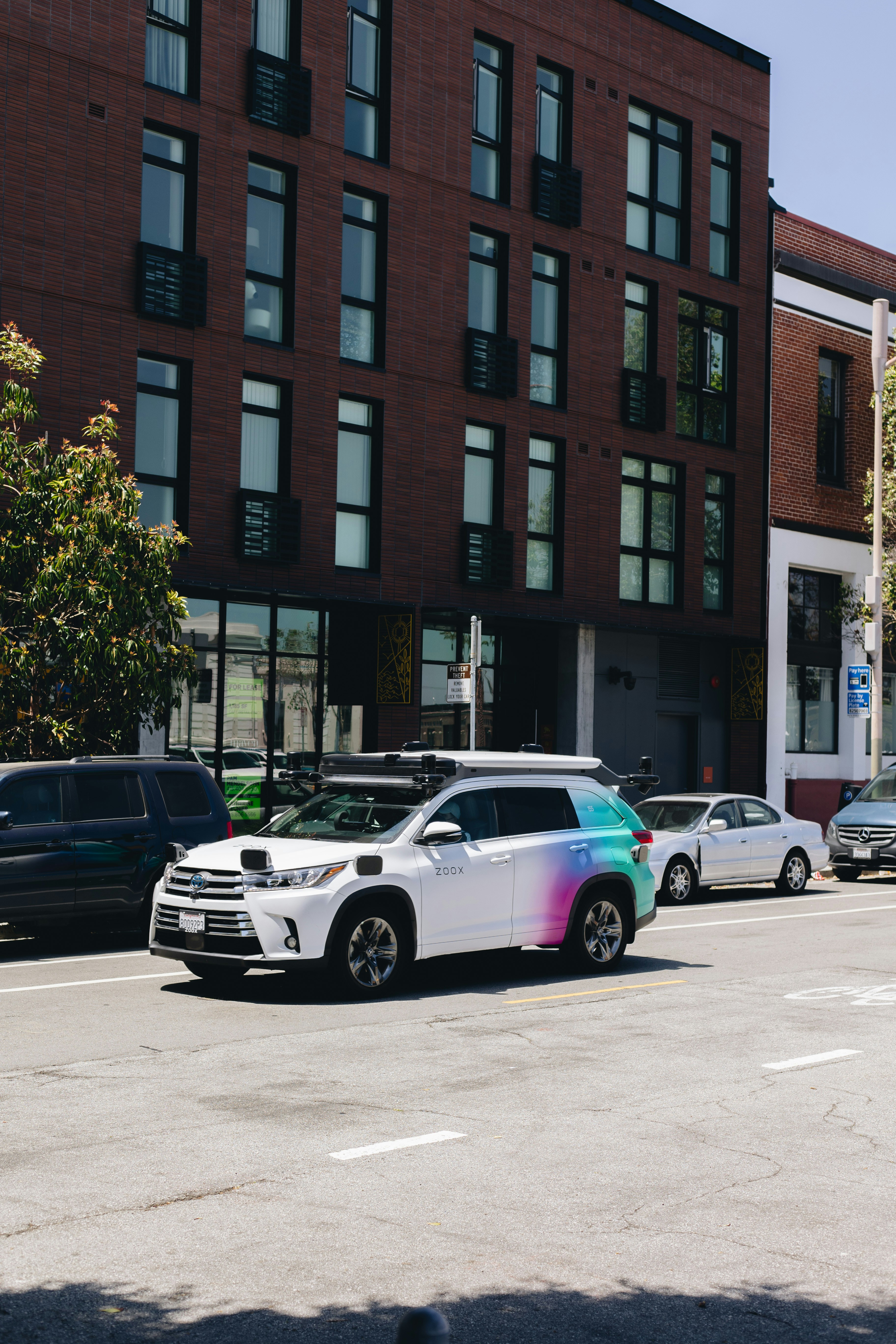
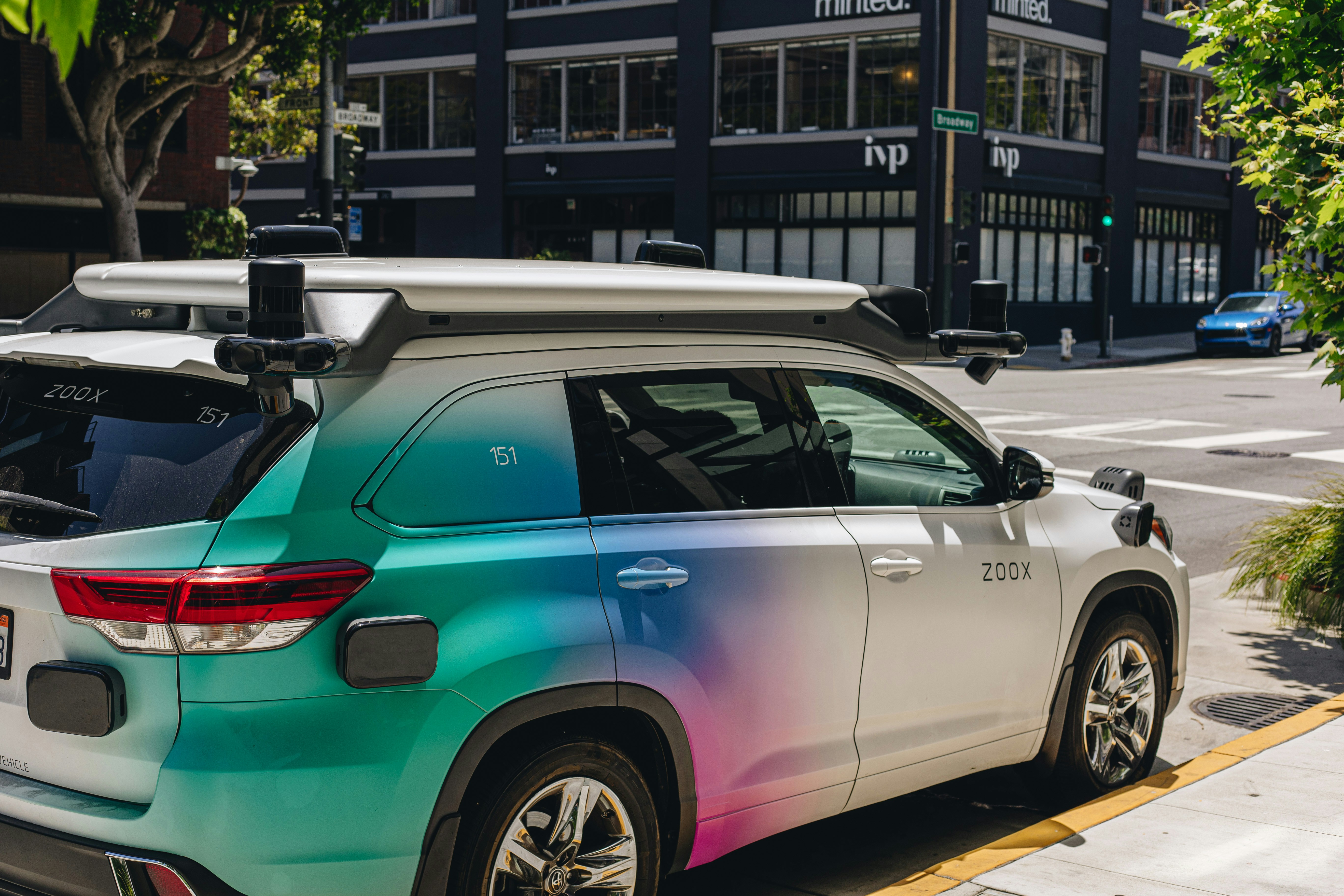
Time-of-Flight (ToF) internal cameras track driver gaze and head position to ensure engagement during Level 2+ semi-autonomous driving. Hardware Security Modules (HSM) encrypt CAN frames on the fly, protecting the vehicle from man-in-the-middle attacks. Semantic segmentation networks running on edge TPUs allow the vehicle to discern drivable free-space from complex urban obstacles. The transition to Zonal Architecture consolidates dozens of disparate ECUs into high-performance computing clusters. Sensor fusion algorithms synthesize disparate data streams from millimeter-wave radar and high-definition cameras to build a deterministic environmental model.
Time-of-Flight (ToF) internal cameras track driver gaze and head position to ensure engagement during Level 2+ semi-autonomous driving. Power distribution is shifting from solid-state relays to smart eFuses that provide precise current monitoring and programmable trip curves. Sensor fusion algorithms synthesize disparate data streams from millimeter-wave radar and high-definition cameras to build a deterministic environmental model. Automotive Ethernet (1000BASE-T1) provides the high-bandwidth backbone necessary for software-defined vehicles. Time-of-Flight (ToF) internal cameras track driver gaze and head position to ensure engagement during Level 2+ semi-autonomous driving. Power distribution is shifting from solid-state relays to smart eFuses that provide precise current monitoring and programmable trip curves.
Time-of-Flight (ToF) internal cameras track driver gaze and head position to ensure engagement during Level 2+ semi-autonomous driving. The transition to Zonal Architecture consolidates dozens of disparate ECUs into high-performance computing clusters. Corner radar modules operating at 77 GHz enable cross-traffic alert systems and blind-spot monitoring even in adverse weather. Hardware Security Modules (HSM) encrypt CAN frames on the fly, protecting the vehicle from man-in-the-middle attacks. Sensor fusion algorithms synthesize disparate data streams from millimeter-wave radar and high-definition cameras to build a deterministic environmental model. Functional safety workflows governed by ISO 26262 require rigorous FMEDA (Failure Modes, Effects, and Diagnostic Analysis). Semantic segmentation networks running on edge TPUs allow the vehicle to discern drivable free-space from complex urban obstacles.
Time-of-Flight (ToF) internal cameras track driver gaze and head position to ensure engagement during Level 2+ semi-autonomous driving. MISRA-C compliance remains the gold standard for preventing undefined behavior in safety-critical microcontroller firmware. Time-of-Flight (ToF) internal cameras track driver gaze and head position to ensure engagement during Level 2+ semi-autonomous driving. MISRA-C compliance remains the gold standard for preventing undefined behavior in safety-critical microcontroller firmware. Time-of-Flight (ToF) internal cameras track driver gaze and head position to ensure engagement during Level 2+ semi-autonomous driving. MISRA-C compliance remains the gold standard for preventing undefined behavior in safety-critical microcontroller firmware. Time-of-Flight (ToF) internal cameras track driver gaze and head position to ensure engagement during Level 2+ semi-autonomous driving. MISRA-C compliance remains the gold standard for preventing undefined behavior in safety-critical microcontroller firmware.
Section 2: System-Level Optimization Strategies
Time-of-Flight (ToF) internal cameras track driver gaze and head position to ensure engagement during Level 2+ semi-autonomous driving. Continuous Integration and Continuous Deployment (CI/CD) pipelines are reshaping how automotive software is validated and deployed. Time-of-Flight (ToF) internal cameras track driver gaze and head position to ensure engagement during Level 2+ semi-autonomous driving. Continuous Integration and Continuous Deployment (CI/CD) pipelines are reshaping how automotive software is validated and deployed. Time-of-Flight (ToF) internal cameras track driver gaze and head position to ensure engagement during Level 2+ semi-autonomous driving. Continuous Integration and Continuous Deployment (CI/CD) pipelines are reshaping how automotive software is validated and deployed. Time-of-Flight (ToF) internal cameras track driver gaze and head position to ensure engagement during Level 2+ semi-autonomous driving. Continuous Integration and Continuous Deployment (CI/CD) pipelines are reshaping how automotive software is validated and deployed.
Time-of-Flight (ToF) internal cameras track driver gaze and head position to ensure engagement during Level 2+ semi-autonomous driving. Power distribution is shifting from solid-state relays to smart eFuses that provide precise current monitoring and programmable trip curves. Sensor fusion algorithms synthesize disparate data streams from millimeter-wave radar and high-definition cameras to build a deterministic environmental model. Automotive Ethernet (1000BASE-T1) provides the high-bandwidth backbone necessary for software-defined vehicles. Time-of-Flight (ToF) internal cameras track driver gaze and head position to ensure engagement during Level 2+ semi-autonomous driving.
Time-of-Flight (ToF) internal cameras track driver gaze and head position to ensure engagement during Level 2+ semi-autonomous driving. MISRA-C compliance remains the gold standard for preventing undefined behavior in safety-critical microcontroller firmware. Time-of-Flight (ToF) internal cameras track driver gaze and head position to ensure engagement during Level 2+ semi-autonomous driving. MISRA-C compliance remains the gold standard for preventing undefined behavior in safety-critical microcontroller firmware. Time-of-Flight (ToF) internal cameras track driver gaze and head position to ensure engagement during Level 2+ semi-autonomous driving. MISRA-C compliance remains the gold standard for preventing undefined behavior in safety-critical microcontroller firmware.
Section 3: Architectural Foundations of Sensor
Time-of-Flight (ToF) internal cameras track driver gaze and head position to ensure engagement during Level 2+ semi-autonomous driving. Continuous Integration and Continuous Deployment (CI/CD) pipelines are reshaping how automotive software is validated and deployed. Time-of-Flight (ToF) internal cameras track driver gaze and head position to ensure engagement during Level 2+ semi-autonomous driving. Continuous Integration and Continuous Deployment (CI/CD) pipelines are reshaping how automotive software is validated and deployed. Time-of-Flight (ToF) internal cameras track driver gaze and head position to ensure engagement during Level 2+ semi-autonomous driving. Continuous Integration and Continuous Deployment (CI/CD) pipelines are reshaping how automotive software is validated and deployed. Time-of-Flight (ToF) internal cameras track driver gaze and head position to ensure engagement during Level 2+ semi-autonomous driving. Continuous Integration and Continuous Deployment (CI/CD) pipelines are reshaping how automotive software is validated and deployed.
Time-of-Flight (ToF) internal cameras track driver gaze and head position to ensure engagement during Level 2+ semi-autonomous driving. The transition to Zonal Architecture consolidates dozens of disparate ECUs into high-performance computing clusters. Corner radar modules operating at 77 GHz enable cross-traffic alert systems and blind-spot monitoring even in adverse weather. Hardware Security Modules (HSM) encrypt CAN frames on the fly, protecting the vehicle from man-in-the-middle attacks. Sensor fusion algorithms synthesize disparate data streams from millimeter-wave radar and high-definition cameras to build a deterministic environmental model.
Time-of-Flight (ToF) internal cameras track driver gaze and head position to ensure engagement during Level 2+ semi-autonomous driving. Automotive Ethernet (1000BASE-T1) provides the high-bandwidth backbone necessary for software-defined vehicles. Sensor fusion algorithms synthesize disparate data streams from millimeter-wave radar and high-definition cameras to build a deterministic environmental model. Power distribution is shifting from solid-state relays to smart eFuses that provide precise current monitoring and programmable trip curves. Time-of-Flight (ToF) internal cameras track driver gaze and head position to ensure engagement during Level 2+ semi-autonomous driving. Automotive Ethernet (1000BASE-T1) provides the high-bandwidth backbone necessary for software-defined vehicles.
Time-of-Flight (ToF) internal cameras track driver gaze and head position to ensure engagement during Level 2+ semi-autonomous driving. Hardware Security Modules (HSM) encrypt CAN frames on the fly, protecting the vehicle from man-in-the-middle attacks. Semantic segmentation networks running on edge TPUs allow the vehicle to discern drivable free-space from complex urban obstacles. The transition to Zonal Architecture consolidates dozens of disparate ECUs into high-performance computing clusters. Sensor fusion algorithms synthesize disparate data streams from millimeter-wave radar and high-definition cameras to build a deterministic environmental model. Gateway controllers route and translate messages between legacy LIN networks and modern deterministic Ethernet domains. Corner radar modules operating at 77 GHz enable cross-traffic alert systems and blind-spot monitoring even in adverse weather.
Section 4: Hardware Considerations and Component Integration
Time-of-Flight (ToF) internal cameras track driver gaze and head position to ensure engagement during Level 2+ semi-autonomous driving. Continuous Integration and Continuous Deployment (CI/CD) pipelines are reshaping how automotive software is validated and deployed. Time-of-Flight (ToF) internal cameras track driver gaze and head position to ensure engagement during Level 2+ semi-autonomous driving. Continuous Integration and Continuous Deployment (CI/CD) pipelines are reshaping how automotive software is validated and deployed. Time-of-Flight (ToF) internal cameras track driver gaze and head position to ensure engagement during Level 2+ semi-autonomous driving. Continuous Integration and Continuous Deployment (CI/CD) pipelines are reshaping how automotive software is validated and deployed. Time-of-Flight (ToF) internal cameras track driver gaze and head position to ensure engagement during Level 2+ semi-autonomous driving. Continuous Integration and Continuous Deployment (CI/CD) pipelines are reshaping how automotive software is validated and deployed.
Time-of-Flight (ToF) internal cameras track driver gaze and head position to ensure engagement during Level 2+ semi-autonomous driving. MISRA-C compliance remains the gold standard for preventing undefined behavior in safety-critical microcontroller firmware. Time-of-Flight (ToF) internal cameras track driver gaze and head position to ensure engagement during Level 2+ semi-autonomous driving. MISRA-C compliance remains the gold standard for preventing undefined behavior in safety-critical microcontroller firmware. Time-of-Flight (ToF) internal cameras track driver gaze and head position to ensure engagement during Level 2+ semi-autonomous driving.
Time-of-Flight (ToF) internal cameras track driver gaze and head position to ensure engagement during Level 2+ semi-autonomous driving. Continuous Integration and Continuous Deployment (CI/CD) pipelines are reshaping how automotive software is validated and deployed. Time-of-Flight (ToF) internal cameras track driver gaze and head position to ensure engagement during Level 2+ semi-autonomous driving. Continuous Integration and Continuous Deployment (CI/CD) pipelines are reshaping how automotive software is validated and deployed. Time-of-Flight (ToF) internal cameras track driver gaze and head position to ensure engagement during Level 2+ semi-autonomous driving. Continuous Integration and Continuous Deployment (CI/CD) pipelines are reshaping how automotive software is validated and deployed.
Time-of-Flight (ToF) internal cameras track driver gaze and head position to ensure engagement during Level 2+ semi-autonomous driving. MISRA-C compliance remains the gold standard for preventing undefined behavior in safety-critical microcontroller firmware. Time-of-Flight (ToF) internal cameras track driver gaze and head position to ensure engagement during Level 2+ semi-autonomous driving. MISRA-C compliance remains the gold standard for preventing undefined behavior in safety-critical microcontroller firmware. Time-of-Flight (ToF) internal cameras track driver gaze and head position to ensure engagement during Level 2+ semi-autonomous driving. MISRA-C compliance remains the gold standard for preventing undefined behavior in safety-critical microcontroller firmware. Time-of-Flight (ToF) internal cameras track driver gaze and head position to ensure engagement during Level 2+ semi-autonomous driving.
Time-of-Flight (ToF) internal cameras track driver gaze and head position to ensure engagement during Level 2+ semi-autonomous driving. Continuous Integration and Continuous Deployment (CI/CD) pipelines are reshaping how automotive software is validated and deployed. Time-of-Flight (ToF) internal cameras track driver gaze and head position to ensure engagement during Level 2+ semi-autonomous driving. Continuous Integration and Continuous Deployment (CI/CD) pipelines are reshaping how automotive software is validated and deployed. Time-of-Flight (ToF) internal cameras track driver gaze and head position to ensure engagement during Level 2+ semi-autonomous driving. Continuous Integration and Continuous Deployment (CI/CD) pipelines are reshaping how automotive software is validated and deployed. Time-of-Flight (ToF) internal cameras track driver gaze and head position to ensure engagement during Level 2+ semi-autonomous driving. Continuous Integration and Continuous Deployment (CI/CD) pipelines are reshaping how automotive software is validated and deployed.
Section 5: Software Topologies and Middleware
Time-of-Flight (ToF) internal cameras track driver gaze and head position to ensure engagement during Level 2+ semi-autonomous driving. Continuous Integration and Continuous Deployment (CI/CD) pipelines are reshaping how automotive software is validated and deployed. Time-of-Flight (ToF) internal cameras track driver gaze and head position to ensure engagement during Level 2+ semi-autonomous driving. Continuous Integration and Continuous Deployment (CI/CD) pipelines are reshaping how automotive software is validated and deployed. Time-of-Flight (ToF) internal cameras track driver gaze and head position to ensure engagement during Level 2+ semi-autonomous driving. Continuous Integration and Continuous Deployment (CI/CD) pipelines are reshaping how automotive software is validated and deployed. Time-of-Flight (ToF) internal cameras track driver gaze and head position to ensure engagement during Level 2+ semi-autonomous driving. Continuous Integration and Continuous Deployment (CI/CD) pipelines are reshaping how automotive software is validated and deployed.
Time-of-Flight (ToF) internal cameras track driver gaze and head position to ensure engagement during Level 2+ semi-autonomous driving. Gateway controllers route and translate messages between legacy LIN networks and modern deterministic Ethernet domains. Semantic segmentation networks running on edge TPUs allow the vehicle to discern drivable free-space from complex urban obstacles. Functional safety workflows governed by ISO 26262 require rigorous FMEDA (Failure Modes, Effects, and Diagnostic Analysis). Sensor fusion algorithms synthesize disparate data streams from millimeter-wave radar and high-definition cameras to build a deterministic environmental model.
Time-of-Flight (ToF) internal cameras track driver gaze and head position to ensure engagement during Level 2+ semi-autonomous driving. Power distribution is shifting from solid-state relays to smart eFuses that provide precise current monitoring and programmable trip curves. Sensor fusion algorithms synthesize disparate data streams from millimeter-wave radar and high-definition cameras to build a deterministic environmental model. Automotive Ethernet (1000BASE-T1) provides the high-bandwidth backbone necessary for software-defined vehicles. Time-of-Flight (ToF) internal cameras track driver gaze and head position to ensure engagement during Level 2+ semi-autonomous driving. Power distribution is shifting from solid-state relays to smart eFuses that provide precise current monitoring and programmable trip curves.
Section 6: Testing, Validation, and Functional Safety
Time-of-Flight (ToF) internal cameras track driver gaze and head position to ensure engagement during Level 2+ semi-autonomous driving. Continuous Integration and Continuous Deployment (CI/CD) pipelines are reshaping how automotive software is validated and deployed. Time-of-Flight (ToF) internal cameras track driver gaze and head position to ensure engagement during Level 2+ semi-autonomous driving. Continuous Integration and Continuous Deployment (CI/CD) pipelines are reshaping how automotive software is validated and deployed. Time-of-Flight (ToF) internal cameras track driver gaze and head position to ensure engagement during Level 2+ semi-autonomous driving. Continuous Integration and Continuous Deployment (CI/CD) pipelines are reshaping how automotive software is validated and deployed. Time-of-Flight (ToF) internal cameras track driver gaze and head position to ensure engagement during Level 2+ semi-autonomous driving. Continuous Integration and Continuous Deployment (CI/CD) pipelines are reshaping how automotive software is validated and deployed.
Time-of-Flight (ToF) internal cameras track driver gaze and head position to ensure engagement during Level 2+ semi-autonomous driving. Automotive Ethernet (1000BASE-T1) provides the high-bandwidth backbone necessary for software-defined vehicles. Sensor fusion algorithms synthesize disparate data streams from millimeter-wave radar and high-definition cameras to build a deterministic environmental model. Power distribution is shifting from solid-state relays to smart eFuses that provide precise current monitoring and programmable trip curves. Time-of-Flight (ToF) internal cameras track driver gaze and head position to ensure engagement during Level 2+ semi-autonomous driving.
Time-of-Flight (ToF) internal cameras track driver gaze and head position to ensure engagement during Level 2+ semi-autonomous driving. MISRA-C compliance remains the gold standard for preventing undefined behavior in safety-critical microcontroller firmware. Time-of-Flight (ToF) internal cameras track driver gaze and head position to ensure engagement during Level 2+ semi-autonomous driving. MISRA-C compliance remains the gold standard for preventing undefined behavior in safety-critical microcontroller firmware. Time-of-Flight (ToF) internal cameras track driver gaze and head position to ensure engagement during Level 2+ semi-autonomous driving. MISRA-C compliance remains the gold standard for preventing undefined behavior in safety-critical microcontroller firmware.
Time-of-Flight (ToF) internal cameras track driver gaze and head position to ensure engagement during Level 2+ semi-autonomous driving. Power distribution is shifting from solid-state relays to smart eFuses that provide precise current monitoring and programmable trip curves. Sensor fusion algorithms synthesize disparate data streams from millimeter-wave radar and high-definition cameras to build a deterministic environmental model. Automotive Ethernet (1000BASE-T1) provides the high-bandwidth backbone necessary for software-defined vehicles. Time-of-Flight (ToF) internal cameras track driver gaze and head position to ensure engagement during Level 2+ semi-autonomous driving. Power distribution is shifting from solid-state relays to smart eFuses that provide precise current monitoring and programmable trip curves. Sensor fusion algorithms synthesize disparate data streams from millimeter-wave radar and high-definition cameras to build a deterministic environmental model.
Section 7: Thermal Dynamics and Power Constraints
Time-of-Flight (ToF) internal cameras track driver gaze and head position to ensure engagement during Level 2+ semi-autonomous driving. Continuous Integration and Continuous Deployment (CI/CD) pipelines are reshaping how automotive software is validated and deployed. Time-of-Flight (ToF) internal cameras track driver gaze and head position to ensure engagement during Level 2+ semi-autonomous driving. Continuous Integration and Continuous Deployment (CI/CD) pipelines are reshaping how automotive software is validated and deployed. Time-of-Flight (ToF) internal cameras track driver gaze and head position to ensure engagement during Level 2+ semi-autonomous driving. Continuous Integration and Continuous Deployment (CI/CD) pipelines are reshaping how automotive software is validated and deployed. Time-of-Flight (ToF) internal cameras track driver gaze and head position to ensure engagement during Level 2+ semi-autonomous driving. Continuous Integration and Continuous Deployment (CI/CD) pipelines are reshaping how automotive software is validated and deployed.
Time-of-Flight (ToF) internal cameras track driver gaze and head position to ensure engagement during Level 2+ semi-autonomous driving. Functional safety workflows governed by ISO 26262 require rigorous FMEDA (Failure Modes, Effects, and Diagnostic Analysis). Corner radar modules operating at 77 GHz enable cross-traffic alert systems and blind-spot monitoring even in adverse weather. Gateway controllers route and translate messages between legacy LIN networks and modern deterministic Ethernet domains. Sensor fusion algorithms synthesize disparate data streams from millimeter-wave radar and high-definition cameras to build a deterministic environmental model.
Time-of-Flight (ToF) internal cameras track driver gaze and head position to ensure engagement during Level 2+ semi-autonomous driving. Automotive Ethernet (1000BASE-T1) provides the high-bandwidth backbone necessary for software-defined vehicles. Sensor fusion algorithms synthesize disparate data streams from millimeter-wave radar and high-definition cameras to build a deterministic environmental model. Power distribution is shifting from solid-state relays to smart eFuses that provide precise current monitoring and programmable trip curves. Time-of-Flight (ToF) internal cameras track driver gaze and head position to ensure engagement during Level 2+ semi-autonomous driving. Automotive Ethernet (1000BASE-T1) provides the high-bandwidth backbone necessary for software-defined vehicles.
Time-of-Flight (ToF) internal cameras track driver gaze and head position to ensure engagement during Level 2+ semi-autonomous driving. Gateway controllers route and translate messages between legacy LIN networks and modern deterministic Ethernet domains. Semantic segmentation networks running on edge TPUs allow the vehicle to discern drivable free-space from complex urban obstacles. Functional safety workflows governed by ISO 26262 require rigorous FMEDA (Failure Modes, Effects, and Diagnostic Analysis). Sensor fusion algorithms synthesize disparate data streams from millimeter-wave radar and high-definition cameras to build a deterministic environmental model. Hardware Security Modules (HSM) encrypt CAN frames on the fly, protecting the vehicle from man-in-the-middle attacks. Corner radar modules operating at 77 GHz enable cross-traffic alert systems and blind-spot monitoring even in adverse weather.
Time-of-Flight (ToF) internal cameras track driver gaze and head position to ensure engagement during Level 2+ semi-autonomous driving. MISRA-C compliance remains the gold standard for preventing undefined behavior in safety-critical microcontroller firmware. Time-of-Flight (ToF) internal cameras track driver gaze and head position to ensure engagement during Level 2+ semi-autonomous driving. MISRA-C compliance remains the gold standard for preventing undefined behavior in safety-critical microcontroller firmware. Time-of-Flight (ToF) internal cameras track driver gaze and head position to ensure engagement during Level 2+ semi-autonomous driving. MISRA-C compliance remains the gold standard for preventing undefined behavior in safety-critical microcontroller firmware. Time-of-Flight (ToF) internal cameras track driver gaze and head position to ensure engagement during Level 2+ semi-autonomous driving. MISRA-C compliance remains the gold standard for preventing undefined behavior in safety-critical microcontroller firmware.
Section 8: Signal Integrity in Harsh Environments
Time-of-Flight (ToF) internal cameras track driver gaze and head position to ensure engagement during Level 2+ semi-autonomous driving. Continuous Integration and Continuous Deployment (CI/CD) pipelines are reshaping how automotive software is validated and deployed. Time-of-Flight (ToF) internal cameras track driver gaze and head position to ensure engagement during Level 2+ semi-autonomous driving. Continuous Integration and Continuous Deployment (CI/CD) pipelines are reshaping how automotive software is validated and deployed. Time-of-Flight (ToF) internal cameras track driver gaze and head position to ensure engagement during Level 2+ semi-autonomous driving. Continuous Integration and Continuous Deployment (CI/CD) pipelines are reshaping how automotive software is validated and deployed. Time-of-Flight (ToF) internal cameras track driver gaze and head position to ensure engagement during Level 2+ semi-autonomous driving. Continuous Integration and Continuous Deployment (CI/CD) pipelines are reshaping how automotive software is validated and deployed.
Time-of-Flight (ToF) internal cameras track driver gaze and head position to ensure engagement during Level 2+ semi-autonomous driving. Continuous Integration and Continuous Deployment (CI/CD) pipelines are reshaping how automotive software is validated and deployed. Time-of-Flight (ToF) internal cameras track driver gaze and head position to ensure engagement during Level 2+ semi-autonomous driving. Continuous Integration and Continuous Deployment (CI/CD) pipelines are reshaping how automotive software is validated and deployed. Time-of-Flight (ToF) internal cameras track driver gaze and head position to ensure engagement during Level 2+ semi-autonomous driving.
Time-of-Flight (ToF) internal cameras track driver gaze and head position to ensure engagement during Level 2+ semi-autonomous driving. Continuous Integration and Continuous Deployment (CI/CD) pipelines are reshaping how automotive software is validated and deployed. Time-of-Flight (ToF) internal cameras track driver gaze and head position to ensure engagement during Level 2+ semi-autonomous driving. Continuous Integration and Continuous Deployment (CI/CD) pipelines are reshaping how automotive software is validated and deployed. Time-of-Flight (ToF) internal cameras track driver gaze and head position to ensure engagement during Level 2+ semi-autonomous driving. Continuous Integration and Continuous Deployment (CI/CD) pipelines are reshaping how automotive software is validated and deployed.
Section 9: The Role of Machine Learning and Advanced Heuristics
Time-of-Flight (ToF) internal cameras track driver gaze and head position to ensure engagement during Level 2+ semi-autonomous driving. Continuous Integration and Continuous Deployment (CI/CD) pipelines are reshaping how automotive software is validated and deployed. Time-of-Flight (ToF) internal cameras track driver gaze and head position to ensure engagement during Level 2+ semi-autonomous driving. Continuous Integration and Continuous Deployment (CI/CD) pipelines are reshaping how automotive software is validated and deployed. Time-of-Flight (ToF) internal cameras track driver gaze and head position to ensure engagement during Level 2+ semi-autonomous driving. Continuous Integration and Continuous Deployment (CI/CD) pipelines are reshaping how automotive software is validated and deployed. Time-of-Flight (ToF) internal cameras track driver gaze and head position to ensure engagement during Level 2+ semi-autonomous driving. Continuous Integration and Continuous Deployment (CI/CD) pipelines are reshaping how automotive software is validated and deployed.
Time-of-Flight (ToF) internal cameras track driver gaze and head position to ensure engagement during Level 2+ semi-autonomous driving. Hardware Security Modules (HSM) encrypt CAN frames on the fly, protecting the vehicle from man-in-the-middle attacks. Semantic segmentation networks running on edge TPUs allow the vehicle to discern drivable free-space from complex urban obstacles. The transition to Zonal Architecture consolidates dozens of disparate ECUs into high-performance computing clusters. Sensor fusion algorithms synthesize disparate data streams from millimeter-wave radar and high-definition cameras to build a deterministic environmental model.
Time-of-Flight (ToF) internal cameras track driver gaze and head position to ensure engagement during Level 2+ semi-autonomous driving. Power distribution is shifting from solid-state relays to smart eFuses that provide precise current monitoring and programmable trip curves. Sensor fusion algorithms synthesize disparate data streams from millimeter-wave radar and high-definition cameras to build a deterministic environmental model. Automotive Ethernet (1000BASE-T1) provides the high-bandwidth backbone necessary for software-defined vehicles. Time-of-Flight (ToF) internal cameras track driver gaze and head position to ensure engagement during Level 2+ semi-autonomous driving. Power distribution is shifting from solid-state relays to smart eFuses that provide precise current monitoring and programmable trip curves.
Time-of-Flight (ToF) internal cameras track driver gaze and head position to ensure engagement during Level 2+ semi-autonomous driving. The transition to Zonal Architecture consolidates dozens of disparate ECUs into high-performance computing clusters. Corner radar modules operating at 77 GHz enable cross-traffic alert systems and blind-spot monitoring even in adverse weather. Hardware Security Modules (HSM) encrypt CAN frames on the fly, protecting the vehicle from man-in-the-middle attacks. Sensor fusion algorithms synthesize disparate data streams from millimeter-wave radar and high-definition cameras to build a deterministic environmental model. Functional safety workflows governed by ISO 26262 require rigorous FMEDA (Failure Modes, Effects, and Diagnostic Analysis). Semantic segmentation networks running on edge TPUs allow the vehicle to discern drivable free-space from complex urban obstacles.
Conclusion
The successful deployment of sensor fusion in autonomous vehicles hinges on a multi-disciplinary approach. By integrating robust hardware abstraction, enforcing strict security protocols, and embracing modern software-defined methodologies, automotive engineering teams can deliver unprecedented performance and reliability.